

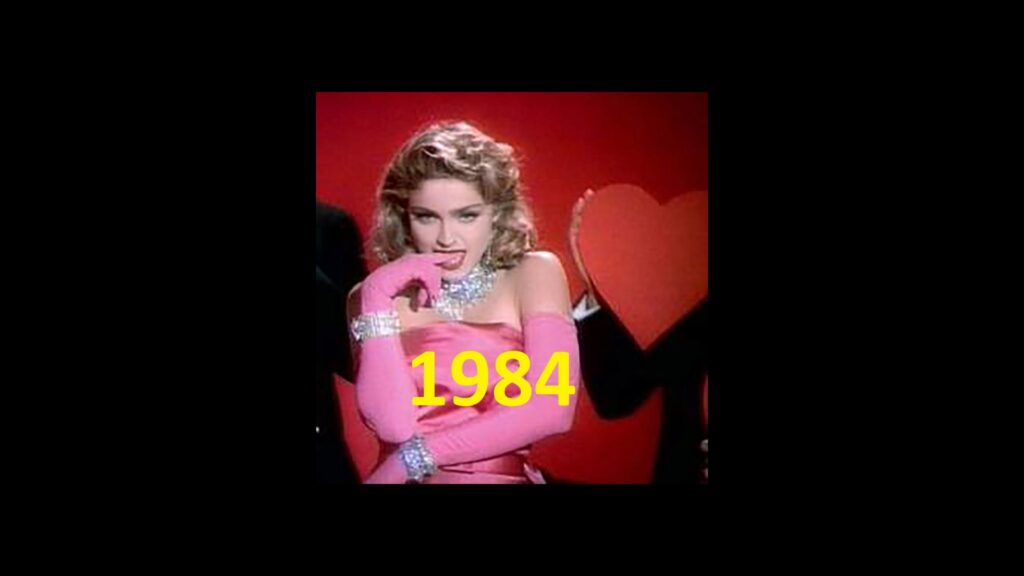
Introduction: A Phenomenon Beyond the Charts
Madonna Louise Ciccone is not merely a music star — she is the embodiment of creative sovereignty and a chameleonic force that has redefined, for over four decades, what it means to be a transnational icon.
In an industry that devours trends at a ruthless pace, how has she maintained absolute relevance? The answer lies not only in her voice, but in her seismic capacity for transgression and a disruptive aesthetic that challenges time itself.
This analysis unpacks the machinery behind the myth, revealing how the “Queen of Pop” transformed constant reinvention into her most refined art form.
2. Academia at Her Feet: The Rise of “Madonna Studies”
For seasoned critics, the greatest testament to Madonna’s importance is not her awards, but the fact that she has become a sociological prism.
Her impact is so profound that it gave rise to Madonna Studies — an academic subdiscipline dedicated to analyzing her cultural influence. By confronting religious, sexual, and political dogmas, Madonna transcended performance to become a serious subject of study, essential for understanding the social tensions of the late 20th and early 21st centuries.
“Madonna has become one of the most documented figures of the contemporary era.”
3. From Drumsticks to Stardom: The Genesis of a Work Ethic
Before becoming the definitive face of global pop, Madonna built her resilience on the streets of New York City.
Arriving in 1978 to study modern dance, she brought with her a relentless discipline that would define her career. Few remember that her versatility began in rock bands like Breakfast Club and Emmy, where she performed as a drummer, guitarist, and vocalist.
This “garage” experience, combined with the physical rigor of dance, gave her total artistic control.
A defining early moment came with Holiday (1983). In a rare move for a newcomer at the time, Madonna took control of the song’s creation, establishing from the beginning that she would never be a manufactured product — but her own architect.
4. Economic Power: The Artist as Mogul and CEO
Madonna shattered the glass ceiling of a male-dominated industry by transforming her name into a diversified empire.
In 1992, she founded Maverick Records, one of the most successful artist-run labels in history. Beyond music, she built a transmedia business model that redefined the concept of the artist as CEO:
- Fashion: Creating brands that shaped global trends
- Literature: Publishing acclaimed children’s books
- Fitness: Expanding her brand into wellness ventures
- Philanthropy: Supporting initiatives like Raising Malawi
This level of control allowed her to dominate earnings rankings for decades, proving that creative autonomy and commercial success can coexist — in the right hands.
5. The Curious Case of Erotica and the Essential Trinity
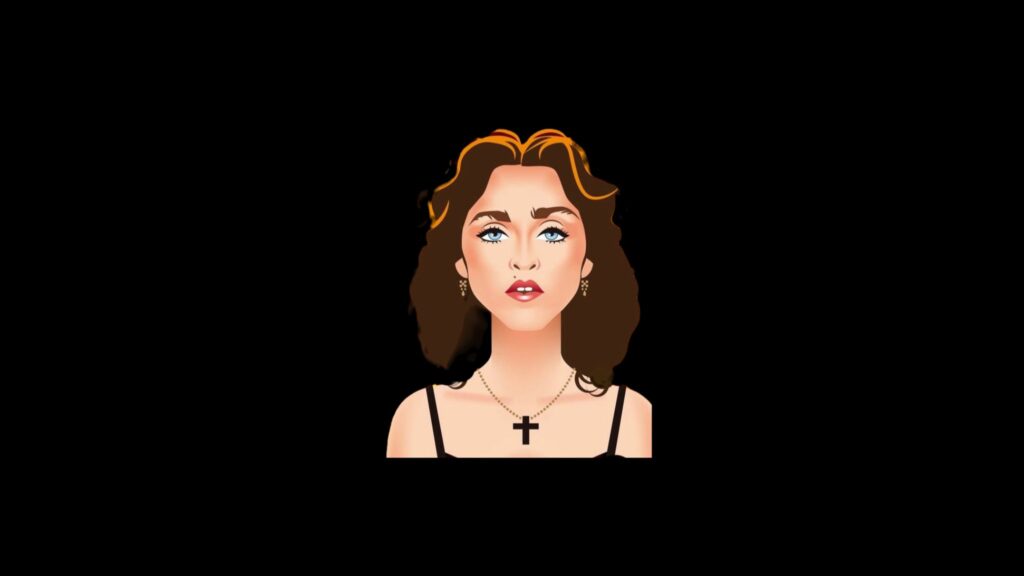
To the critical eye, Madonna’s career is full of fascinating paradoxes.
While popular opinion often points to Like a Virgin as her commercial peak, the data tells a more complex story. Erotica (1992), released amid intense controversy, debuted at the top of the Billboard 200 and sold millions worldwide.
To decode her artistic DNA, consider this essential trinity:
- Like a Prayer — Her definitive masterpiece, challenging religious norms and delivering an iconic performance at the 1989 MTV VMAs
- Like a Virgin — The hit that cemented her as a global superstar
- Holiday — The origin point that introduced her voice to the world
6. Untouchable in the Top 100: Records That Defy Logic
The numbers surrounding Madonna are monumental.
With over 300 million records sold, she remains the best-selling female recording artist of all time. On stage, her dominance is equally unmatched, with nearly $1.5 billion in tour revenue — making her one of the highest-grossing solo touring artists in history.
What stands out, however, is the global scale of her success. She holds records for the most number-one singles across key markets including the UK, Australia, Canada, Italy, and Spain.
Her achievements earned her induction into the Rock and Roll Hall of Fame, along with recognition from institutions like Billboard, Rolling Stone, MTV, and VH1.
- Reinvention as Art: 5 Surprising Lessons from the Legacy of Madonna
- Freddie Mercury: 5 Insights That Change the Way You Hear the King of Queen
- Disco Fever: The 1970s Dance Craze That Took Over the World
- The CB Radio Craze of the 1970s: America’s First Social Network
- Only True 80s Fans Can Name These Songs From One Line
The Queen’s Next Chapter
Madonna set the gold standard for artistic longevity.
She didn’t just adapt to change — she provoked it, pushing the limits of mainstream expression and forcing society to confront the new.
Her career proves that reinvention is not an escape, but the ultimate tool for those who aim for permanence.
So the question remains:
Which facet of Madonna will leave the deepest legacy for future generations — the visionary artist who rewrote pop, the relentless businesswoman who mastered the market, or the cultural provocateur who shattered moral boundaries?
Leave a Comment