

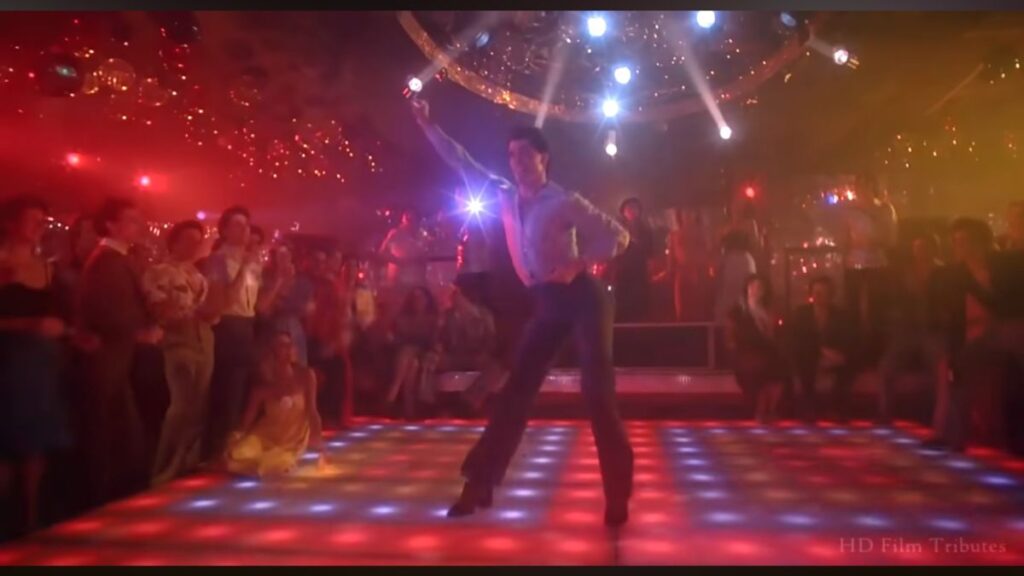
In the history of popular music, few movements have risen as fast, burned as bright, or been declared as dead — then quietly survived — as disco. Born in the underground clubs of New York City in the early 1970s, disco became within just a few years the most commercially dominant musical genre on the planet.
It was more than music. Disco was fashion, nightlife, social liberation, and pure escapist joy wrapped in a four-on-the-floor beat. This is the story of how an underground subculture became the defining hype of a decade.
The Origins: Clubs, Community, and the Underground Beat
Disco did not start in a recording studio. It started in clubs — sweaty, crowded, exhilarating clubs in New York’s underground scene in the early 1970s. The Loft, hosted by DJ David Mancuso, is often cited as ground zero: a private, invitation-only space where diverse crowds gathered to dance to continuous music spun by skilled DJs.
These early disco communities — heavily comprising Black, Latino, and LGBTQ+ New Yorkers — created something genuinely new: a social space defined entirely by the act of dancing to recorded music, guided by a DJ who understood how to build energy and keep a crowd moving through an entire night.
The Sound: What Made Disco Unstoppable
Disco’s musical architecture was deceptively sophisticated. The genre was built on a four-on-the-floor kick drum pattern — a bass drum hit on every beat — which created an irresistible physical pull toward movement. Layer on top of that the hi-hat patterns, funky bass lines, lush string arrangements, and soaring vocals, and you had something that bypassed the rational brain entirely.
Artists like Donna Summer, Gloria Gaynor, Chic, the Bee Gees, and Earth Wind & Fire pushed the genre to new commercial and artistic heights. Donna Summer’s 1977 hit “I Feel Love” was so futuristic in its all-electronic production that Brian Eno reportedly told David Bowie it represented the sound of the next fifteen years of pop music.
Studio 54 and the Mythology of Disco Nightlife
No venue better captured disco’s excess, glamour, and cultural electricity than Studio 54. Opened in April 1977 in a converted CBS television studio in Midtown Manhattan, Studio 54 became within weeks the most famous nightclub in the world.
Its door policy was legendary and deliberately theatrical. Celebrities, socialites, models, and artists mingled in an environment designed to feel like the center of the universe. Andy Warhol, Bianca Jagger, Liza Minnelli, and Halston were regulars. Arriving at the door was itself a performance.
Studio 54 lasted barely three years before its owners were convicted of tax evasion in 1980. But in those three years, it became a symbol so powerful that “disco” and “Studio 54” remain essentially synonymous in popular memory.
Saturday Night Fever: How Disco Went Truly Global
If Studio 54 made disco a New York obsession, Saturday Night Fever made it a global phenomenon. Released in December 1977, the film starring John Travolta gave the genre a face, a storyline, and a two-hour advertisement for the culture that could play in cinemas from Tokyo to São Paulo.
The accompanying soundtrack by the Bee Gees remains one of the best-selling albums in history, with tracks like “Stayin’ Alive,” “Night Fever,” and “How Deep Is Your Love” providing an instant emotional shorthand for the era. The film and album together achieved the rare feat of making subcultural cool accessible to mainstream audiences worldwide.
Disco’s Fashion Revolution
Disco was inseparable from fashion in a way that few musical movements have been. The genre demanded a specific visual aesthetic: sequined and metallic fabrics that caught the light of the mirror ball, platform shoes, open-collar shirts, wide lapels, and an overall commitment to glamour as a personal philosophy.
Designers recognized the commercial opportunity. Halston, Versace, and a wave of ready-to-wear brands developed disco-oriented lines. The iconic silver jumpsuits and spandex bodysuits worn on dance floors became fashion statements that influenced runway collections for years.
The Backlash and What It Really Meant
On July 12, 1979, a Chicago radio DJ named Steve Dahl organized “Disco Demolition Night” at Comiskey Park — a baseball promotion event that turned into a riot when disco records were blown up on the field. The event is often cited as the moment mainstream America’s backlash against disco became undeniable.
Cultural historians have been frank about what the anti-disco movement actually expressed. Much of the hostility toward disco was thinly veiled hostility toward the communities that had created it: Black America, Latino culture, and LGBTQ+ identity. “Disco sucks” was, for many of its proponents, a coded statement about whose music — and whose lives — deserved to be celebrated.
Disco’s Undying Legacy
Disco was declared dead in 1980. Yet the obituaries were dramatically premature. The genre’s DNA spread into virtually every subsequent dance music form: house music emerged directly from Chicago DJs reinterpreting disco’s beat structure. Electronic dance music, techno, and the entire global club music ecosystem all trace lineage back to disco’s core innovations.
Today, disco’s influence is audible in artists from Daft Punk to Beyoncé to Dua Lipa, whose “Future Nostalgia” album was an explicit homage to the genre. Vinyl reissues of classic disco records command serious prices. The sound — that four-on-the-floor heartbeat — never actually went away.
The 1970s disco boom was not just a hype. It was a cultural revolution that the mainstream tried to bury and failed. The dance floor survived.
Leave a Comment