

To the public eye, George Michael was the embodiment of pop mythology: the magnetism behind dark sunglasses, the flawless leather jacket, and a voice that moved with surgical precision between the pulse of the dance floor and the wounded soul of ballads. Yet, far from the strobe-lit spotlight, he was the architect of an invisible kindness.
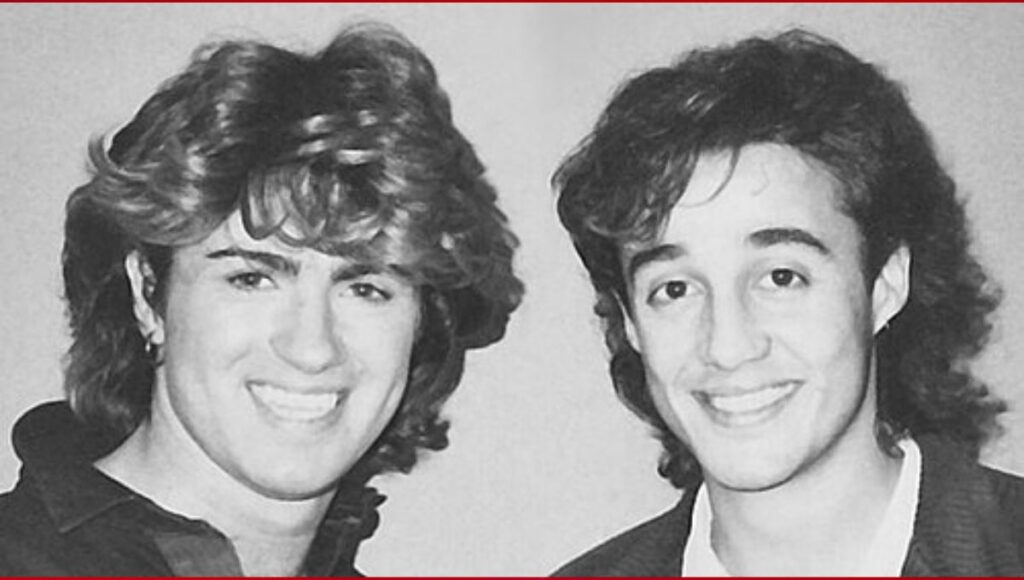
Behind the superstar who sold over 100 million records existed a private, complex, and deeply generous figure whose most impactful actions were orchestrated in absolute secrecy. While the world knew the range of his voice, few understood the depth of his character — a man who used his monumental success not as a pedestal, but as a tool for human transformation.
The Silent Philanthropist: Millions Donated in Secret
The true scale of George Michael’s generosity only emerged from the shadows after his death in 2016. In an era defined by relentless self-exposure, where every charitable act by a celebrity is often meticulously documented by PR teams, Michael chose the path of radical anonymity. He did not seek applause for kindness; he sought the effectiveness of help.
- Royalty Donations: Michael donated all royalties from his single “Jesus to a Child” to Childline. He had already given the profits from “Last Christmas” and “Everything She Wants” to the Band Aid project back in 1984.
- The Dream of Motherhood: After watching Deal or No Deal, he was moved by a contestant who needed £15,000 for IVF treatment — and paid for it anonymously. In 2010, he repeated the gesture for another woman who shared her fertility struggles on This Morning.
- The Anonymous Volunteer: Michael worked at homeless shelters without publicity, insisting that fellow volunteers keep his presence secret so as not to distract from the humanitarian work.
- Empathy in Small Gestures: On one occasion, he left a £5,000 tip for a nursing student working as a waitress, helping her pay off her debts.
“George wanted no one outside the charity to know of his generosity. He gave millions over the years to help the most vulnerable children in the nation through Childline.” — Esther Rantzen, founder of Childline.
Pop Diplomacy: The First to Cross the Wall into China
Long before entertainment became fully globalized, George Michael and Andrew Ridgeley, as the duo Wham!, achieved what seemed impossible in the geopolitical climate of 1985: breaking through the “Iron Curtain” of pop and bringing Western music to China.
The process required 18 months of intense negotiations with the Chinese government. The result was a seismic cultural shock. In Beijing, an audience accustomed to isolation and strict musical limitations was suddenly confronted with strobe lights and energetic dancers. The confusion was so great that the crowd clapped politely when prompted. More than a concert, it was an act of pop diplomacy; George was, quite literally, tearing down ideological walls with synthesizers and choruses — decades before the world became the global village we know today.
The Absolute King of British Radio
While icons like Elton John and The Beatles often dominate discussions of legacy, a statistic from the Radio Academy reveals George Michael’s technical omnipresence: he was the most played artist on UK radio between 1984 and 2004.
This record is not merely proof of popularity, but of pure technical genius in songwriting and production. Michael had an intuitive understanding of the “average ear,” crafting melodies with universal appeal and remarkable longevity. He was not just a performer; he was the creative engine controlling every note, ensuring his songs became the unavoidable soundtrack of everyday life for two consecutive decades.
The Long Wait: The Timeless Triumph of “Last Christmas”
“Last Christmas” is more than a holiday song; it is a lesson in cultural persistence. Despite being a seasonal institution, it took an astonishing 36 years to reach the top of the UK charts — finally achieving the milestone in 2021. Ironically, upon its original release in 1984, it was kept from number one by Band Aid — a project George himself supported.
The song’s strength proved unshakable: it returned to number one at Christmas 2023 and again in 2024, becoming the first track to top the festive chart in consecutive years. This demonstrates that the true success of a work of art is not measured by immediate impact, but by its ability to embed itself into the DNA of a culture and be reborn with each generation.
“Freedom”: The Battle for Identity Against the Industry
In the early 1990s, George Michael made one of the boldest moves in music history: he chose to dismantle his own “sex symbol” image. Exhausted by the commodification of his body and the relentless promotion of the Faith era, he released Listen Without Prejudice Vol. 1 as a manifesto of artistic integrity.
By suing Sony Music and refusing to appear in the iconic video for “Freedom! ’90”, he replaced his physical presence with supermodels like Naomi Campbell and Linda Evangelista. It was a declaration of independence: George wanted to be heard, not just seen. He challenged the industry to prioritize his essence as a songwriter, proving his voice alone was powerful enough to sustain his legacy.
“George Michael was the best. There’s a certain note in his voice when he sang ‘Somebody to Love’ that was pure Freddie.” — Brian May, guitarist of Queen, on Michael’s performance at the Freddie Mercury Tribute Concert in 1992.
A Legacy Beyond Music
George Michael’s life tells the story of a delicate balance between monumental fame and deeply human vulnerability. His courage as an LGBTQ activist and his unwavering support for the NHS were not marketing strategies, but extensions of his lived experience. In 2006, he performed free concerts at the Roundhouse exclusively for NHS nurses — a personal act of gratitude for the care his mother, Lesley Angold, received before her passing.
George Michael left behind a flawless discography, but perhaps his greatest legacy is the invisible impact he had on the lives of strangers. When we listen to his classics today, we are invited to reflect: what truly defines an artist’s success? Record-breaking sales, or the ability to use fame to quietly change the reality of those around them?
In George’s case, the answer echoes in every life he touched without ever asking for a public “thank you.”
Leave a Comment